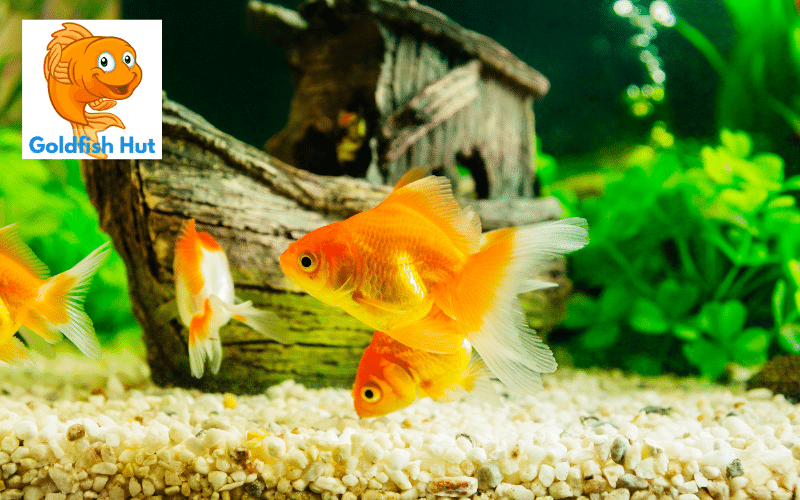
One of the most common methods of anchoring aquarium plants is by laying down a generous substrate layer. This method involves placing a thick layer of substrate at the bottom of your tank, which allows your plants to grow roots and anchor themselves. Depending on the type of plant you have, you may need to adjust the thickness of the substrate layer to ensure that your plants are securely anchored. Another popular method is using weights or plant anchors to hold your plants in place. These can be purchased online or at most pet stores and are a simple and effective way to keep your plants from floating around.
Understanding Aquarium Plants
Aquarium plants are live plants that are grown in an aquatic environment. They are an essential part of any aquarium ecosystem, providing oxygen, absorbing carbon dioxide, and removing toxins from the water. There are many different types of aquarium plants, each with their own unique characteristics and requirements.
Some popular plant species for aquariums include:
- Anubias
- Java Fern
- Amazon Sword
- Anacharis
- Dwarf Baby Tears
- Christmas Moss
- Hornwort
Mosses are also a popular choice for aquariums, as they can be used to create beautiful and natural-looking landscapes. However, it is important to note that not all plants are suitable for all aquariums. Some plants require specific water conditions, lighting, and nutrients to thrive.
When choosing aquarium plants, it is important to consider the following factors:
- Lighting: Different plants require different levels of light. Some plants require high levels of light, while others do well in low-light conditions.
- Water conditions: Some plants require specific water conditions, such as pH levels or water hardness. It is important to research the specific requirements of each plant before adding it to your aquarium.
- Nutrients: Plants require nutrients to grow, such as nitrogen, phosphorus, and potassium. These nutrients can be provided through fertilizers or through the fish waste in the aquarium.
In general, it is best to choose plants that are easy to care for and suitable for your specific aquarium setup. This will help ensure that your plants thrive and contribute to a healthy and beautiful aquarium ecosystem.
Importance of Anchoring Aquarium Plants
Anchoring aquarium plants is crucial to maintain a healthy and aesthetically pleasing ecosystem. Live plants provide a natural habitat for fish, help to oxygenate the water, and reduce algae growth. However, uprooted or floating plants can create a mess and disturb the balance of the ecosystem.
Anchoring aquarium plants will not only help to keep them in place but also ensure that they are healthy. Plants need to be fully submerged to survive, and anchoring them will prevent them from floating to the surface, where they cannot receive adequate light and nutrients.
Moreover, anchoring aquarium plants will prevent them from being uprooted by active fish or strong water currents. This will help to maintain the integrity of the substrate and prevent debris from accumulating in the tank.
In addition to the functional benefits, anchoring aquarium plants also enhances the aesthetics of the tank. Well-anchored plants will create a natural-looking environment and provide hiding places for fish.
Overall, anchoring aquarium plants is an essential aspect of maintaining a healthy and visually appealing aquatic ecosystem. By using proper anchoring methods, aquarists can ensure that their plants stay in place, remain healthy, and contribute to the overall beauty of the tank.
Choosing the Right Substrate
Choosing the right substrate for your aquarium plants is crucial for their growth and development. The substrate is the material that lines the bottom of your tank, and it provides a surface for your plants to anchor their roots and absorb nutrients. Here are some factors to consider when selecting the right substrate for your aquarium plants:
Type of Substrate
There are different types of substrates available, including gravel, sand, soil, and plant-specific substrates. Gravel and sand are commonly used in aquariums, but they may not provide enough nutrients for your plants. Soil-based substrates are rich in nutrients and can promote healthy plant growth, but they can also be messy and require frequent cleaning. Plant-specific substrates are specially formulated to provide the necessary nutrients for aquatic plants and are a good option for beginners.
Grain Size
The grain size of the substrate is also important. Fine substrates like sand can compact easily and restrict the flow of water and nutrients to the roots. Coarser substrates like gravel can allow for better water flow but may not provide enough surface area for beneficial bacteria to grow. A grain size of 2-3mm is ideal for most aquarium plants.
Depth
The depth of the substrate is another factor to consider. A depth of 2-3 inches is recommended for most aquarium plants, but deeper substrates may be necessary for larger plants with extensive root systems.
pH Level
The pH level of the substrate can also affect plant growth. Most aquarium plants prefer a slightly acidic to neutral pH level between 6.5-7.5. If your substrate has a high pH level, you may need to add supplements to lower it.
In summary, choosing the right substrate for your aquarium plants is essential for their growth and development. Consider the type of substrate, grain size, depth, and pH level when selecting the best substrate for your aquatic plants.
Anchoring Methods
When it comes to anchoring aquarium plants, there are various methods to choose from. Each method has its own advantages and disadvantages, and the best method for you will depend on the type of plant you have, your aquarium setup, and your personal preferences.
Using Weights
One of the easiest ways to anchor aquarium plants is by using weights. You can use pebbles, gravel, rocks, or any other heavy object to weigh down the base of the plant. Simply place the weight on top of the substrate around the base of the plant. Be careful not to use too much weight, as it can crush the roots of the plant.
Tying to Driftwood or Rocks
Another method is to tie the plant to a piece of driftwood or a rock. You can use fishing line or plant anchors to tie the plant in place. This method is particularly useful for plants with rhizomes or for attaching cuttings to a new substrate. Be sure to tie the plant securely, but not too tightly, as it can damage the plant.
Burying in Substrate
For stem plants, burying them in the substrate can be an effective anchoring method. Simply plant the stem into the substrate and cover the base with a layer of substrate. This method is best for stem plants like anacharis or rotala.
Gluing to Decorations
Using aquarium-safe glue, like cyanoacrylate gel or superglue, can be a quick and easy way to anchor substrate-free plants. Before gluing, be sure to clean the surface of the decoration and the plant’s base. This method is particularly useful for attaching mosses or attaching plants to decorations like rocks or driftwood.
Using Nylon Mesh or Net
Another method is to use nylon mesh or net to anchor plants. Simply cut a piece of mesh or net to the desired size and shape, and place it over the plant’s base. Then, place a heavy weight on top of the mesh to hold it in place. This method is particularly useful for attaching plants to decorations or for creating a carpet of plants.
In conclusion, there are various methods you can use to anchor your aquarium plants. Each method has its own advantages and disadvantages, and the best method for you will depend on your personal preferences and the type of plant you have. By experimenting with different methods, you can find the one that works best for you and your aquarium.
Caring for Anchored Plants
Once you have successfully anchored your aquarium plants, it’s important to take proper care of them to ensure their health and longevity. Here are some tips on how to care for your anchored plants:
Water Quality
Maintaining good water quality is crucial for the health of your aquarium plants. Ensure that the water is free from harmful chemicals and pollutants, and that the pH level is within the appropriate range for your plants. Regular water changes and proper filtration can help maintain good water quality.
Oxygenation
Aquarium plants require oxygen for respiration, and this is especially important for plants that are anchored. Ensure that your aquarium has proper water circulation and aeration to provide ample oxygen to your plants.
Fertilization
Anchored plants require nutrients to grow and thrive. Consider using a high-quality aquarium plant fertilizer to provide your plants with essential nutrients such as nitrogen, phosphorus, and potassium. Be sure to follow the instructions carefully to avoid over-fertilization, which can harm your plants.
Accessories
There are a variety of accessories available that can help care for your aquarium plants. Consider using a plant substrate to provide additional nutrients to your plants, or using a plant growth light to ensure that your plants receive enough light for photosynthesis.
Planting an Aquarium
When planting an aquarium, it’s important to choose the right plants for your specific tank setup. Consider the lighting, water flow, and substrate type when selecting plants. Be sure to properly anchor the plants to avoid them floating to the surface or being uprooted by fish.
By following these tips, you can ensure that your anchored aquarium plants remain healthy and thriving.
Potential Challenges and Solutions
When it comes to anchoring aquarium plants, there are a few potential challenges that you may encounter. Here are some of the most common issues and solutions to help you keep your plants firmly rooted in your aquarium.
Uprooted Plants
One of the most frustrating challenges you may face is when your plants become uprooted. This can happen for a variety of reasons, including burrowing fish, bottom feeders, and strong water currents. To prevent this, try using heavier substrate materials like soil or river rocks, or consider using suction cups to secure your plants to the sides or bottom of your tank.
Weak Root Systems
Another common challenge is weak root systems. If your plants have trouble establishing strong roots, they may become dislodged or float to the surface. To help strengthen your plant’s roots, consider using a nutrient-rich substrate or adding root tabs to your aquarium. Additionally, you can use tweezers to carefully bury the roots deeper into the substrate for added stability.
Floating Plants
Floating plants like java moss can be a beautiful addition to your aquarium, but they can also be difficult to anchor. One solution is to use textured rocks or rubber bands to secure the plant to a heavier object like a piece of driftwood or a terracotta pot. Alternatively, you can try using a mesh net to contain the plant and prevent it from floating away.
Harmful Materials
When anchoring your aquarium plants, it’s important to avoid materials that could be harmful to your fish or other aquatic life. Avoid using anything that could be toxic or leach harmful chemicals into the water, such as painted or glazed pots. Stick to natural materials like river rocks or untreated terracotta pots to ensure the safety of your aquarium inhabitants.
Dead Plants
If you notice that one of your plants has died, it’s important to remove it from the tank as soon as possible. Dead plants can quickly become a breeding ground for harmful bacteria and can harm the overall health of your aquarium. Additionally, a dead plant can uproot and dislodge other plants in the tank. Be sure to remove any dead plants and replace them with healthy ones as needed.
While there are some potential challenges when it comes to anchoring aquarium plants, there are also plenty of solutions to help you keep your plants firmly rooted and thriving in your tank. With a little trial and error, you can find the best method for your specific setup and enjoy the beauty of a lush, healthy planted aquarium.
Conclusion
In conclusion, anchoring aquarium plants is an essential aspect of maintaining a healthy and beautiful planted aquarium. There are various methods available to anchor aquarium plants, and choosing the right one depends on the type of plant, substrate, and fish species in your tank.
It is important to note that some fish species can be aggressive and may uproot or damage your plants. Therefore, it is crucial to select plants that are suitable for your aquarium and avoid those that are not compatible with your fish.
When anchoring plants, it is recommended to use a substrate layer or tie them up to another aquascape element. You can also use weights or anchors to keep the plants in place. However, it is important to ensure that the weights or anchors do not harm the plants or fish in your tank.
Additionally, it is essential to maintain a clean aquarium and regularly trim your plants to prevent them from overgrowing and blocking light and nutrients from reaching other plants.
Overall, anchoring aquarium plants is a simple and effective way to add interest and beauty to your planted aquarium. With the right techniques and care, you can create a thriving aquascape that your fish and plants will enjoy.
Frequently Asked Questions
How do I get my aquarium plants to stay in gravel?
One way to anchor aquarium plants in gravel is to use plant weights. These weights can be purchased at most pet stores and are designed to hold plants in place. Another option is to use a substrate that is specifically designed for planted aquariums. This type of substrate is heavier and will help keep plants rooted.
How do you attach aquarium plants?
There are several ways to attach aquarium plants. One method is to use fishing line or thread to tie the plant to a rock or other object in the aquarium. Another option is to use plant glue, which is a type of adhesive that is safe for aquarium use. Simply apply a small amount of glue to the base of the plant and attach it to a rock or other object.
How do you keep floating aquarium plants in place?
Floating aquarium plants can be anchored by using a plant weight or by attaching them to a rock or other object in the aquarium. Another option is to use a suction cup to hold the plant in place.
How can I anchor aquarium plants without harming them?
One way to anchor aquarium plants without harming them is to use a plant weight that is designed to be gentle on the plant. Another option is to use a substrate that is specifically designed for planted aquariums. This type of substrate is gentle on the plant and will help keep it rooted.
What are some alternatives to using lead weights for anchoring aquarium plants?
There are several alternatives to using lead weights for anchoring aquarium plants. One option is to use plant weights made from materials that are safe for aquarium use, such as stainless steel or plastic. Another option is to use a substrate that is specifically designed for planted aquariums, which will help keep plants rooted.
How do I keep my aquarium plants from spreading?
One way to keep aquarium plants from spreading is to prune them regularly. This will help keep them from growing too large and taking over the aquarium. Another option is to use a substrate that is specifically designed for planted aquariums, which will help keep plants rooted in place. Additionally, you can use plant weights or attach plants to rocks or other objects to keep them from spreading.