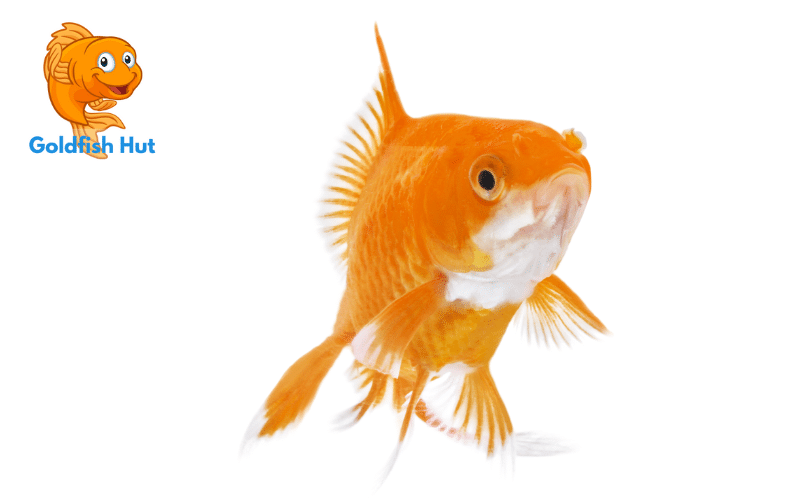
Introduction: Why Is My Goldfish Always Swimming At The Top?
Goldfish are a popular choice for many people as pets. They are easy to care for and can live for a long time. However, sometimes goldfish owners may notice their fish always swimming at the top of the tank. This can be concerning and may indicate an underlying problem.
One of the most common reasons for goldfish swimming at the top of the tank is a lack of oxygen in the water. Goldfish require a well-oxygenated environment to thrive, and if the water is not properly aerated, they may start to swim at the surface to get more oxygen. Poor water quality, overcrowding, and high temperatures can all contribute to low oxygen levels in the tank. Understanding the root cause of this behavior is crucial to ensure the health and wellbeing of your goldfish.
In this article, we will explore the different reasons why your goldfish may be swimming at the top of the tank and provide some tips on how to fix the problem. We will discuss the importance of proper water quality, filtration, and aeration in goldfish tanks, as well as the potential health issues that can arise if these factors are not addressed. By the end of this article, you will have a better understanding of why your goldfish is behaving this way and what you can do to help them.
Possible Causes of Goldfish Swimming at the Top
If you have noticed your goldfish always swimming at the top of the tank, there could be several reasons behind this behavior. In this section, we will discuss the possible causes of goldfish swimming at the top.
Water Quality
Poor water quality is one of the most common reasons why goldfish swim at the top of the tank. High levels of ammonia and nitrite in the water can cause stress and harm to the fish’s gills, making it difficult for them to breathe. Additionally, low dissolved oxygen levels and improper water temperature can also lead to lethargy and gasping for air.
To ensure the water quality is optimal, regular water testing, and maintenance is necessary. Keep an eye out for any changes in water parameters, and take appropriate action to address them.
Swim Bladder Issues
Swim bladder disorder is another possible cause of goldfish swimming at the top of the tank. This condition affects the fish’s buoyancy, causing them to struggle to maintain their position in the water. Symptoms of swim bladder disorder include floating to the top or sinking to the bottom of the tank.
Overfeeding or Improper Diet
Overfeeding or feeding an improper diet can cause digestive issues, leading to constipation and swim bladder problems. Goldfish are omnivores and require a balanced diet of both plant and animal-based foods. Overfeeding can also lead to excess fish waste, which can harm water quality.
Overcrowding
Overcrowding is a common problem in goldfish tanks, and it can lead to stress, bullying, and poor water quality. Goldfish require ample space to swim and forage, and overcrowded tanks can lead to health problems.
Stress or Poor Environment
Stress or a poor environment can also cause goldfish to swim at the top of the tank. Factors such as lack of aeration, inadequate hiding spots, and high levels of noise or vibration can cause stress and harm to your fish. Additionally, parasites, infections, and other health problems can also cause stress and lead to gasping for air.
To prevent goldfish from swimming at the top of the tank, it is essential to provide a healthy and stimulating environment. This includes ensuring proper water quality, providing adequate space and hiding spots, and feeding a balanced diet. Regular maintenance and monitoring can help detect and address any issues before they become severe.
Water Quality
Maintaining proper water quality is essential for the health and well-being of your goldfish. Poor water quality can lead to a variety of health problems, including disease and even death. In this section, we will discuss the various factors that affect water quality and how to maintain them.
Ammonia and Nitrite Levels
Ammonia and nitrite levels are two of the most important water parameters to monitor in your goldfish tank. High levels of ammonia and nitrite can be toxic to your fish and can lead to ammonia burns, labored breathing, and even death.
To maintain safe levels of ammonia and nitrite, it is important to perform regular water changes and to keep your tank well-filtered. A good rule of thumb is to perform a 25% water change every week. You can also use a water test kit to monitor ammonia and nitrite levels and adjust your water change schedule accordingly.
pH Levels
The pH level of your tank water is also important to monitor. Goldfish prefer a pH level between 7.0 and 8.0. If the pH level is too low or too high, it can cause stress to your fish and make them more susceptible to disease.
To maintain proper pH levels, you can use a pH test kit to monitor the pH level of your tank water. If the pH level is too low, you can add a pH buffer to raise the pH level. If the pH level is too high, you can add a pH reducer to lower the pH level.
Water Temperature
Goldfish are cold-water fish and prefer water temperatures between 65°F and 72°F. If the water temperature is too high or too low, it can cause stress to your fish and make them more susceptible to disease.
To maintain proper water temperature, you can use a thermometer to monitor the water temperature of your tank. If the water temperature is too low, you can use a heater to raise the temperature. If the water temperature is too high, you can use a fan or air conditioning to lower the temperature.
Dissolved Oxygen Levels
Goldfish require adequate levels of dissolved oxygen in their tank water to breathe. Low dissolved oxygen levels can cause your fish to swim to the top of the tank to gasp for air.
To maintain proper dissolved oxygen levels, you can use an air pump or a filter with aeration to increase oxygenation in your tank. You can also add live plants to your tank, which can help increase oxygen levels and absorb waste.
In summary, maintaining proper water quality is essential for the health and well-being of your goldfish. Regular water changes, proper filtration, and monitoring water parameters such as ammonia, nitrite, pH, water temperature, and dissolved oxygen levels can help ensure a healthy and happy environment for your fish.
Swim Bladder Issues
Swim bladder issues are a common problem in goldfish that can cause them to swim erratically or float to the top of the tank. This can be a symptom of various underlying conditions, including swim bladder disease, constipation, enlarged organs, or infection. In this section, we will explore the symptoms, causes, treatment, and prevention of swim bladder issues in goldfish.
Symptoms and Causes
Swim bladder issues can manifest in a variety of ways, including swimming upside down, on their side, or floating at the top of the tank. These symptoms can be caused by several factors, including swim bladder disease, which is a condition where the swim bladder is not functioning properly. Other causes of swim bladder issues in goldfish include constipation, enlarged organs, or infection.
Swim bladder disease can be caused by various factors, including bacterial or parasitic infections, poor water quality, and overfeeding. Bullying or aggressive behavior from other fish in the tank can also lead to swim bladder issues in goldfish.
Treatment
The treatment for swim bladder issues in goldfish will depend on the underlying cause. If the issue is caused by swim bladder disease, antibiotics or antiparasitic medication may be necessary. Constipation can be treated by feeding the goldfish a diet high in fiber or by fasting them for a day or two. Enlarged organs may require surgery, while infection can be treated with antibiotics.
It is important to note that treatment for swim bladder issues can take time, and it may take several weeks for the goldfish to recover fully. In some cases, the swim bladder issue may be permanent, and the goldfish may require special care to manage the condition.
Prevention
Preventing swim bladder issues in goldfish involves maintaining good water quality, avoiding overfeeding, and providing a balanced diet. It is also important to ensure that the goldfish are not being bullied or stressed by other fish in the tank. Providing adequate space and hiding places can help reduce stress in goldfish.
In conclusion, swim bladder issues in goldfish can be caused by various factors, including swim bladder disease, constipation, enlarged organs, or infection. Treatment will depend on the underlying cause, and prevention involves maintaining good water quality, providing a balanced diet, and reducing stress in goldfish.
Overfeeding or Improper Diet
Symptoms and Causes
Overfeeding your goldfish can lead to a variety of health problems, including swim bladder disorder, constipation, and an increase in fish waste. Goldfish have small stomachs and can only eat a small amount of food at each feeding. If they eat too much, it can cause their stomachs to expand, putting pressure on their swim bladder, leading to buoyancy problems.
In addition to swim bladder disorder, overfeeding can also cause constipation. Constipation can lead to a buildup of waste in the digestive tract, which can cause the fish to become bloated and swim abnormally. Overfeeding can also lead to an increase in fish waste, which can cause poor water quality and other health problems.
Treatment and Prevention
If you suspect that your goldfish is suffering from swim bladder disorder or constipation due to overfeeding, there are a few things you can do to help:
- Reduce the amount of food you are feeding your goldfish. Only feed them what they can eat in a few minutes.
- Feed your goldfish a balanced diet that is appropriate for their species.
- Monitor your goldfish’s behavior and look for signs of constipation or swim bladder disorder.
- If your goldfish is constipated, try feeding them peas, which can help to break down the blockage in their digestive tract.
- Keep your goldfish’s tank clean and well-maintained to prevent poor water quality.
Preventing overfeeding is the best way to avoid these health problems. Feed your goldfish a balanced diet and only feed them what they can eat in a few minutes. Monitor your goldfish’s behavior and look for signs of constipation or swim bladder disorder. By taking these steps, you can help keep your goldfish healthy and happy.
Overcrowding
Symptoms and Causes
Overcrowding in a fish tank can cause your goldfish to swim at the top of the tank. This is because there is not enough oxygen in the water for all of the fish. Symptoms of overcrowding include fish swimming at the top of the tank, gasping for air, and being lethargic. Overcrowding also leads to poor water quality due to the accumulation of fish waste, which can cause ammonia levels to rise.
Treatment and Prevention
The best way to treat overcrowding is to reduce the number of fish in the tank. A general rule of thumb is to have one inch of fish per gallon of water. If you have too many fish, consider giving some away or getting a larger tank. Additionally, make sure to perform regular water changes to keep the water clean and maintain good water quality.
Preventing overcrowding is important to ensure the health and well-being of your goldfish. Before adding new fish to your tank, research their adult size and make sure you have enough space for them. Avoid adding too many fish at once and monitor the behavior of your goldfish regularly to ensure they are not stressed.
In conclusion, overcrowding is a common cause of goldfish swimming at the top of the tank. By reducing the number of fish in the tank and maintaining good water quality, you can prevent this issue and ensure the health of your goldfish.
Stress or Poor Environment
Symptoms and Causes
Goldfish can get stressed for various reasons, including improper diet, aggressive tank mates, poor water conditions, too cold or too hot waters, too intense lights, and overcrowding. Stress can also be caused by poor water parameters, such as high ammonia or nitrate levels, and low dissolved oxygen levels, which can lead to gasping for air at the water surface.
Stressed goldfish may display symptoms such as lethargy, hiding, erratic swimming patterns, loss of appetite, and staying still at one spot. They may also rub themselves against rocks or gravels, indicating possible infection or parasites.
Treatment and Prevention
To treat stressed goldfish, it is essential to identify and eliminate the root cause of stress. If the cause is poor water conditions, consider performing a water test and adjusting the water parameters accordingly. Regular water changes, proper filtration systems, and the addition of aquatic plants can also help maintain a healthy environment for your goldfish.
If overcrowding is the cause of stress, consider providing a larger tank or reducing the number of fish in the tank. It is recommended to provide at least 20 gallons of water per fancy goldfish to live comfortably. Also, ensure that the tank is not messy or overstocked, which can lead to toxic water conditions.
If bullying is the cause of stress, consider separating the aggressive fish or providing hiding spots for the bullied fish. It is also essential to maintain proper water temperature and avoid sudden changes that can cause stress.
During feeding time, avoid overfeeding your goldfish, which can lead to gasping for air at the water surface due to swim bladder problems. Provide only the amount of food that your fish can consume within a few minutes.
In conclusion, a healthy environment is crucial to prevent stress in goldfish. Regular maintenance, proper water parameters, and adequate living conditions can help keep your goldfish healthy and happy.
Frequently Asked Questions
What are some reasons why fish might stay at the top of the tank?
There are several reasons why fish might stay at the top of the tank. One of the most common reasons is a lack of oxygen in the water. Other reasons might include swim bladder disorders, stress, ammonia spikes, or overfeeding.
What can I do if my fish is swimming at the top of the tank?
If your fish is swimming at the top of the tank, there are a few things you can do to help. First, check the water quality frequently to ensure that the water parameters are stable. If the water quality is unstable, perform a partial water change immediately. Additionally, make sure to provide favorable water conditions and avoid overstocking the tank.
Why is only one of my fish swimming at the top of the tank?
If only one of your fish is swimming at the top of the tank, it could be a sign of a swim bladder disorder or other health issue. It’s important to monitor the fish closely and consult with a veterinarian or aquatic specialist if the behavior persists.
What can cause fish to stay in one corner of the tank?
Fish might stay in one corner of the tank due to stress, lack of hiding places, or poor water quality. It’s important to provide a comfortable and stimulating environment for your fish to prevent this behavior.
Why do fish swim at the top of the tank but not gasp for air?
Fish might swim at the top of the tank to regulate their body temperature or to interact with other fish. This behavior is not necessarily a sign of distress or a lack of oxygen in the water.
How can I prevent my fish from swimming at the top of the tank?
To prevent your fish from swimming at the top of the tank, make sure to provide a comfortable and stimulating environment for your fish. This includes maintaining stable water parameters, avoiding overfeeding, providing hiding places, and avoiding overstocking the tank. Additionally, make sure to consult with a veterinarian or aquatic specialist if you notice any concerning behavior in your fish.