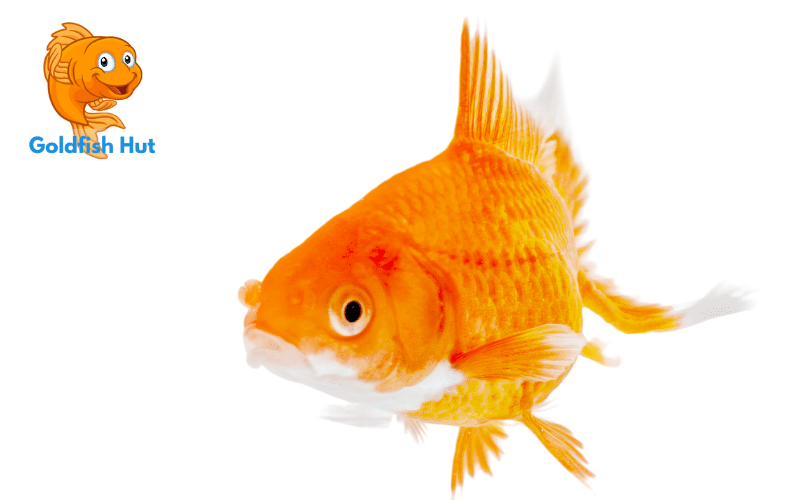
Introduction: Why Is My Goldfish Attacking Other Goldfish?
Goldfish are generally known for their peaceful and easy-going nature, but sometimes, they can become aggressive and attack other goldfish in the tank. If you’re noticing your goldfish attacking each other, it’s essential to understand the reasons behind this behavior and how to prevent it.
One of the most common causes of goldfish aggression is overcrowding. If you have too many goldfish in a small tank, they may become territorial and fight for resources such as food, hiding places, and swimming space. Additionally, goldfish are social creatures and need to have enough space to swim around and establish their own territories.
Another reason why goldfish may become aggressive is due to stress. Stress can be caused by poor water quality, inadequate filtration, or sudden changes in the tank environment. When goldfish are stressed, they may lash out at other fish in the tank, leading to fights and aggression. By understanding the reasons behind goldfish aggression, you can take steps to prevent it and ensure that your fish live in a peaceful and healthy environment.
Causes of Goldfish Aggression
Goldfish aggression is not common, but it can happen. It is essential to understand why your goldfish is attacking other goldfish to address the issue and maintain a peaceful aquarium. Here are some of the most common causes of goldfish aggression:
Territorial Behavior
Goldfish, like many other fish species, can be territorial creatures. They may become aggressive when they feel their space is being invaded or when they are trying to establish dominance over other fish. This behavior is more common in males during the breeding season, but it can happen at any time.
To prevent territorial disputes, make sure your aquarium has enough hiding places and decorations to create territories for each fish. Also, avoid overcrowding your tank and provide enough space for each fish to swim and establish its territory.
Mating Behavior
During the breeding season, goldfish can become more aggressive, especially males. They may chase and bite other fish, including females, to establish dominance and breeding rights. This behavior is natural, but it can be problematic in a community tank.
If you notice aggressive behavior during breeding season, consider setting up a separate breeding tank to prevent disputes and protect eggs and fry.
Competition for Food
Goldfish are omnivores and will eat almost anything, including algae, crustaceans, worms, invertebrates, small fish, zooplankton, shrimp, and even fish eggs. Competition for food can lead to aggressive behavior, especially in overcrowded tanks or when overfed.
To prevent competition for food, feed your goldfish small amounts of food several times a day instead of one large meal. Also, make sure each fish has enough space to eat and provide sinking food for bottom-dwelling fish.
In conclusion, goldfish aggression can have various causes, from territorial behavior to competition for food. As an aquarist, it is crucial to identify the root of the problem and take appropriate measures to maintain a peaceful goldfish community tank.
Symptoms of Aggressive Goldfish
Aggressive goldfish can cause chaos in your aquarium, leading to injury or even death of other fish. Knowing the symptoms of aggressive behavior can help you identify the problem and take necessary action.
Here are some common symptoms of aggressive goldfish:
- Nipping at other fish
- Chasing other fish around the tank
- Butting other fish with their heads
- Flaring fins and gills
- Territorial behavior, such as guarding a specific area of the tank
- Bullying weaker or smaller fish
If you notice any of these behaviors, it is important to take action quickly to prevent further harm. Aggressive goldfish can cause serious injury to other fish, and even lead to death in extreme cases.
It is also important to note that aggressive behavior in goldfish can be a symptom of underlying health issues. If you notice sudden or extreme aggression in your goldfish, it may be a sign that they are sick. In this case, it is important to consult with a veterinarian or fish expert to determine the cause of the behavior.
In addition to causing harm to other fish, aggressive goldfish can also become stressed and unhealthy themselves. This can lead to a range of health issues, including weakened immune systems and increased susceptibility to disease.
Overall, it is important to monitor your goldfish for signs of aggression and take action to prevent harm to other fish and maintain the health and well-being of your aquarium.
Preventing Goldfish Aggression
Goldfish are generally peaceful fish, but aggression can occur in certain situations. To prevent goldfish aggression and ensure a harmonious community tank, follow these guidelines:
Tank Size and Space
Goldfish require ample space to swim freely and establish territories. Overcrowding can lead to stress and aggression. A general rule of thumb is to provide at least 20 gallons of water per goldfish. However, larger goldfish species such as the Ryukin Goldfish or Bubble-Eyes may require even more space.
Choosing Suitable Tank Mates
Not all fish species are compatible with goldfish. Some species may be too aggressive, while others may be too small and become prey to the goldfish. It’s important to choose suitable tank mates that have similar temperaments and size. Avoid keeping goldfish with cichlids, Oscars, or other aggressive species.
Providing Hiding Places
Goldfish are territorial and require hiding places to establish their own territories and retreat when necessary. Provide plenty of plants, decorations, and caves to create hiding places. This will help reduce stress and prevent aggression.
In addition to these guidelines, it’s important to monitor the water parameters and avoid overfeeding your goldfish. Overfeeding can lead to sickness and weakness, making them more susceptible to aggression.
If aggression does occur, it’s important to identify the root of the problem and take appropriate action. This may include separating the aggressive fish into a quarantine tank or rearranging the decorations and hiding places to establish new territories.
By following these guidelines, you can create a peaceful and harmonious goldfish community tank.
Treatment for Aggressive Goldfish
If you notice that your goldfish are displaying aggressive behavior towards each other, it’s important to take action to prevent any harm to the fish. Here are some steps you can take to treat aggressive goldfish:
1. Check for Sickness
One of the reasons why goldfish may become aggressive is due to sickness. If you notice any signs of illness in your fish, such as lethargy, loss of appetite, or abnormal swimming behavior, it’s important to isolate the sick fish and treat them accordingly. This will help prevent the spread of disease and reduce stress in the tank.
2. Improve Water Conditions
Poor water conditions can also contribute to aggressive behavior in goldfish. Make sure to regularly test the water parameters and maintain a clean and healthy environment for your fish. This includes performing regular water changes and ensuring that the tank is not overcrowded.
3. Separate Aggressive Fish
If you have identified a specific goldfish that is exhibiting aggressive behavior towards other fish in the tank, it may be necessary to separate the aggressive fish into a quarantine tank. This will prevent any harm to the other fish and allow the aggressive fish to calm down and recover.
4. Avoid Aggressive Goldfish Varieties
Some goldfish varieties, such as Ryukin goldfish and Bubble-eyes, are known to be more aggressive than others. If you are experiencing issues with aggression in your tank, it may be helpful to avoid these varieties and opt for more peaceful goldfish breeds.
5. Introduce Snails
Adding snails to your goldfish tank can help reduce aggression by providing a distraction for the fish. Snails can also help keep the tank clean and provide additional food sources for your goldfish.
By following these steps, you can effectively treat aggressive goldfish and create a peaceful and healthy environment for your fish. Remember to always monitor your fish closely and take action if you notice any signs of aggression or illness.
Frequently Asked Questions
Can goldfish kill each other?
Yes, goldfish can kill each other. Aggressive behavior can lead to injuries that may become infected, leading to death. It’s important to monitor your goldfish to ensure they are not attacking each other.
What are some aggressive types of goldfish?
Some types of goldfish are more aggressive than others, such as the Comet and Shubunkin goldfish. These types of goldfish are known for their fast swimming and chasing behavior.
How can I tell if my goldfish is being bullied?
Signs that your goldfish is being bullied include torn fins or scales, hiding or cowering in a corner, or being chased around the tank.
What does goldfish fighting look like?
Goldfish fighting can look like chasing, nipping, or biting each other. They may also flare their fins and display aggressive body language.
How can I stop my goldfish from chasing each other?
One way to stop goldfish from chasing each other is to provide them with plenty of space and hiding places in their tank. You can also try rearranging the decorations in the tank to create new territories for each fish.
Are my goldfish fighting or mating?
Goldfish mating behavior can look similar to fighting, with the male chasing the female around the tank. However, mating behavior typically only lasts for a short period of time and is followed by the female laying eggs. If you’re unsure, observe the behavior closely to determine whether it is fighting or mating.