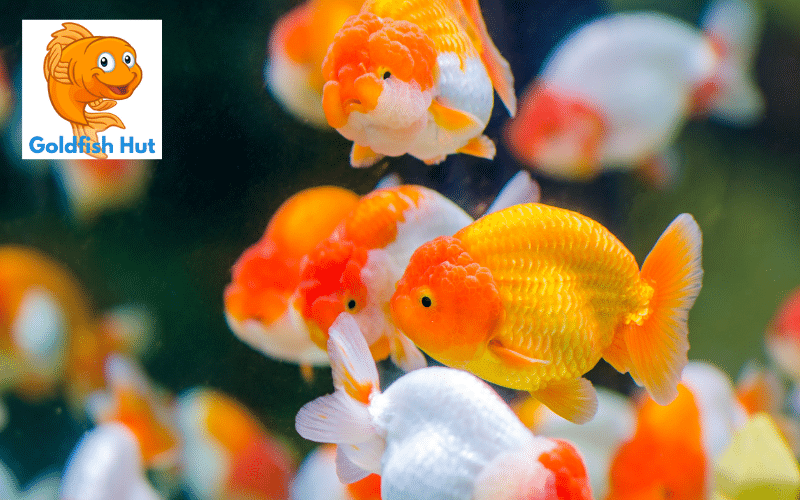
Determining the gender of a goldfish is important for a number of reasons, including breeding, tank compatibility, and overall health. While it may seem difficult to tell the difference between male and female goldfish, there are a few key physical characteristics that can help you determine their sex. These include body shape, fin shape, and the presence of breeding tubercles.
In this article, we will explore the various methods for sexing goldfish, including visual cues and behavioural patterns. By the end of this article, you will have a clear understanding of how to tell if your goldfish is male or female, and the importance of understanding their gender for their overall health and wellbeing.
Physical Differences Between Male and Female Goldfish
When it comes to identifying the gender of a goldfish, there are several physical differences that you can look out for. These differences can help you determine whether your goldfish is male or female.
Body Shape and Size
One of the most noticeable differences between male and female goldfish is their body shape and size. Female goldfish tend to have a rounder and thicker body shape than males of the same age and species. They also tend to be deeper-bodied, which is useful for identifying sex from a side view. Males, on the other hand, are generally slimmer and more streamlined than females. They also tend to be smaller in size.
Fins and Vent
Male and female goldfish also have differences in their fins and vent. Male goldfish tend to have thicker and longer pectoral fins, while female goldfish have shorter and thinner pectoral fins. Male goldfish also have a more pointed anal fin, while female goldfish have a more rounded anal fin. In addition, male goldfish have a midline ridge that runs from the back of their pelvic fins to their vent, while female goldfish do not.
When it comes to the vent, male goldfish have a more elongated and pointed vent shape, while female goldfish have a more rounded and wider vent shape.
Colour and Scales
In some species of goldfish, males and females have different colours. For example, male koi fish tend to have brighter and more vibrant colours than females. In other species, there may not be any noticeable differences in colour between males and females.
Another difference between male and female goldfish is their scales. Male goldfish tend to have rougher scales than females, especially during the breeding season. This is because male goldfish will develop small white bumps called breeding tubercles on their gill covers, pectoral fins, and opercula during breeding season.
In summary, there are several physical differences between male and female goldfish that can help you determine their gender. These differences include body shape and size, fins and vent, colour, and scales. By observing these differences, you can identify whether your goldfish is male or female with confidence.
Behavioural Differences
Goldfish exhibit different behaviours based on their gender. Understanding these behaviours can help you determine whether your goldfish is male or female. Here are the major behavioural differences between male and female goldfish:
Breeding Behaviour
Breeding behaviour is one of the most significant differences between male and female goldfish. During the breeding season, male goldfish will develop breeding tubercles, small white bumps on their gill plates, pectoral fins, and sometimes their head. These bumps are used to stimulate the female during mating and are a clear indication of male gender. Female goldfish, on the other hand, do not develop breeding tubercles.
Chasing Behaviour
Chasing behaviour is another way to determine the gender of your goldfish. Male goldfish tend to chase female goldfish around the tank during the breeding season. This is a mating behaviour that is used to stimulate the female and encourage her to release her eggs. If you observe a goldfish chasing another goldfish around the tank, it is most likely a male chasing a female.
Aggression and Fighting
Male goldfish are generally more aggressive than females. They can be territorial and may nip at other fish in the tank, especially during breeding season. This behaviour is used to establish dominance and secure a mate. Female goldfish, on the other hand, are generally more docile and less likely to engage in aggressive behaviour.
In summary, there are several behavioural differences between male and female goldfish that can help you determine their gender. Breeding behaviour, chasing behaviour, and aggression are all indicators of male gender. Female goldfish, on the other hand, tend to be less aggressive and do not develop breeding tubercles.
Breeding Season and Mating
When it comes to determining whether a goldfish is male or female, the breeding season is an important time to observe. During this time, male and female goldfish will exhibit different behaviours and physical characteristics that can help you identify their gender.
Spawning
Spawning is the process of releasing eggs and milt (sperm) into the water, which is the first step in goldfish reproduction. Goldfish typically spawn during the spring and summer months, although it can happen at any time of year in a home aquarium.
During spawning season, male goldfish will develop small white spots on their gills and pectoral fins. These spots are known as breeding tubercles, and they help the male to grip onto the female during mating. Female goldfish, on the other hand, will have a swollen vent under their tails.
Egg Release
As breeding season approaches, female goldfish will begin to develop eggs, which may cause a bulge on one side, making the female look asymmetrical or lop-sided. The vent (anal opening) of a female goldfish is also rounder than the male’s and tends to protrude from the body slightly as breeding season approaches.
When it comes time to release the eggs, the female goldfish will lay them on a suitable surface, such as a plant or rock, and the male will then release his milt over the eggs to fertilise them. Adult goldfish can store sperm and will use it for multiple broods during the breeding season.
Overall, observing the behaviour and physical characteristics of goldfish during breeding season can help you determine their gender. Keep in mind that not all goldfish will exhibit these behaviours or physical characteristics, so it’s important to observe them over time to make an accurate determination.
Signs of Health and Disease
Keeping your goldfish healthy is crucial to their well-being. Here are some signs to look out for to determine if your goldfish is healthy or not.
Ich and Other Parasites
Ich, also known as white spot disease, is a common parasite that can affect goldfish. It appears as small white spots on the fish’s body and fins. Other parasites that can affect goldfish include flukes and anchor worms.
If you notice any of these parasites on your goldfish, it is important to treat them as soon as possible. There are various treatments available, including medication and salt baths.
Bacterial Infections
Bacterial infections can also affect goldfish. Symptoms of bacterial infections include redness, swelling, and ulcers on the fish’s body. Gravid or egg-bound females can also develop bacterial infections.
If you notice any of these symptoms on your goldfish, it is important to seek treatment from a veterinarian or a pet store that specializes in fish. Treatment may include antibiotics or other medication.
In summary, it is important to keep an eye on your goldfish’s health and to seek treatment if you notice any signs of illness. By doing so, you can help ensure that your goldfish lives a long and healthy life.
Expert Tips for Determining Goldfish Gender
Determining the gender of your goldfish can be a bit tricky, especially if you’re new to fishkeeping. However, with a few expert tips, you can easily tell if your goldfish is male or female.
Look for Physical Differences
Male and female goldfish have some physical differences that can help you determine their gender. For example, male goldfish tend to have longer front fins, while female goldfish have a rounder and plumper belly. Additionally, female goldfish tend to have a wider vent area, which is the opening where they excrete waste and reproduce.
Check for Breeding Stars or Tubercles
Breeding stars or tubercles are small white bumps that appear on the gill covers, front fins, and body of male goldfish during breeding season. These bumps are actually small, white pimples that help male goldfish grip onto female goldfish during spawning. If you notice these bumps on your goldfish, then it’s a male.
Observe Feeding Habits
Male goldfish tend to be more active and aggressive than females, especially during feeding time. They may chase and nip at other fish, while females tend to be more relaxed and peaceful. If you notice this behaviour in your goldfish, then it’s likely a male.
Consider the Environment
The environment and care of your goldfish can also affect their sexual maturity and body shape. For example, if your goldfish is kept in a small tank, it may not reach its full potential size or sexual maturity. Additionally, feeding your goldfish a varied and nutritious diet can help maintain its health and body shape.
In conclusion, determining the gender of your goldfish can be a bit challenging, but with these expert tips, you can easily tell if your goldfish is male or female. By observing physical differences, checking for breeding stars or tubercles, observing feeding habits, and considering the environment and care of your goldfish, you can become a goldfish gender expert in no time!