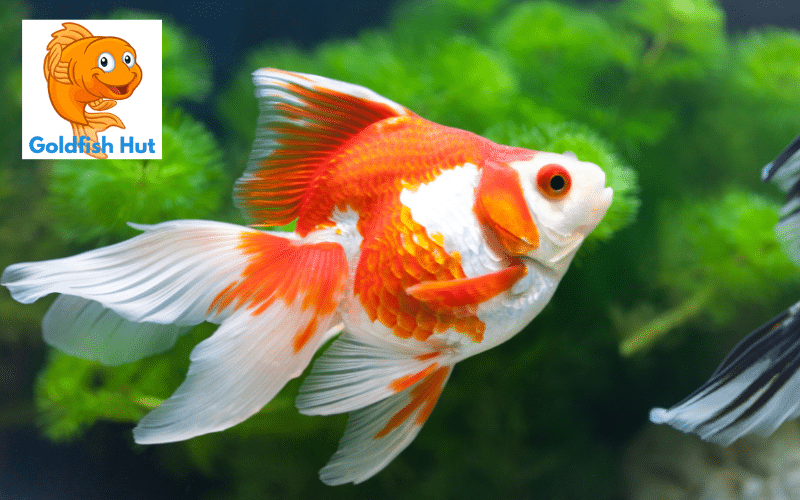
Goldfish are freshwater fish that have adapted to their environment over time. They have a specialized organ called the kidney that helps them retain water and eliminate waste. Additionally, goldfish obtain the water they need through osmosis, a process where water moves across a semi-permeable membrane from an area of high concentration to an area of low concentration. This means that goldfish do not need to drink water to stay hydrated, as they are constantly surrounded by it.
Understanding Thirst
Thirst is a sensation that signals the body’s need for water. It is a complex physiological response that involves various systems in the body, including the brain, kidneys, and hormonal pathways. The sensation of thirst is triggered by a variety of factors, including dehydration, dry mouth, hot weather, exercise, and certain medications.
When the body is dehydrated, the brain signals the thirst center in the hypothalamus to release hormones that stimulate the sensation of thirst. This signal prompts the individual to drink water to restore fluid balance in the body. The hypothalamus also regulates the release of antidiuretic hormone (ADH) from the pituitary gland. ADH helps the kidneys retain water, which helps maintain hydration.
Rest and hydration are crucial for maintaining proper fluid balance in the body. When the body is at rest, the kidneys produce less urine, which helps to conserve water. Drinking fluids regularly throughout the day can help prevent dehydration and maintain proper hydration levels.
Goldfish, like other fish, do not experience thirst in the same way that humans do. They live in water and absorb water through their skin and gills. Seawater fish drink water to avoid dehydration, while freshwater fish do not drink water because they have a higher salt concentration in their blood than in the water they are surrounded by.
In conclusion, thirst is a complex physiological response that involves various systems in the body. While goldfish do not experience thirst in the same way that humans do, they still require proper hydration to maintain their health and well-being.
Goldfish Biology
Goldfish (Carassius auratus) belong to the family Cyprinidae of order Cypriniformes. They are freshwater fish that are commonly kept as pets in indoor aquariums. Goldfish have a unique anatomy that allows them to survive in their aquatic environment.
Their mouth is located at the tip of their snout and is used for feeding on both plant and animal matter. Goldfish have gills that extract oxygen from the water, and their blood absorbs the oxygen from the gills. The kidneys of a goldfish remove waste from their blood and produce urine, which is excreted through the gills.
Goldfish are susceptible to health problems, including kidney failure, which can be caused by poor water quality or a high-protein diet. It is important to maintain a clean and healthy environment for these fish to prevent illness and death.
One of the unique features of goldfish biology is their ability to regulate their body’s salt and water balance. Goldfish are osmoregulators, which means they can maintain a balance between the salt and water concentrations in their body and the surrounding water.
However, goldfish are not immune to the effects of osmosis. If the concentration of salt in the water is too high, water will flow out of the fish’s body, leading to dehydration. Conversely, if the concentration of salt in the water is too low, water will flow into the fish’s body, leading to swelling and potentially death.
In summary, goldfish have a unique biology that allows them to survive in their freshwater environment. They have a specialized mouth and gills for feeding and extracting oxygen, respectively, and their kidneys remove waste and regulate salt and water balance. It is important to maintain a clean and healthy environment for goldfish to prevent health problems and maintain their overall well-being.
Water and Fish
Water is essential for the survival of all living creatures, including fish. Fish need water to breathe, move, and regulate their body temperature. Fish live in different water environments such as freshwater, saltwater, lakes, rivers, and aquariums. The type of water environment that a fish lives in determines its hydration needs.
Freshwater fish live in water with low salt concentration, and they do not need to drink water purposefully. Instead, they absorb water through their skin and gills. The water that they absorb contains dissolved solutes such as ammonia, which is produced by the fish’s waste. Freshwater fish excrete excess water and solutes through their urine. The temperature of the water also affects the hydration needs of freshwater fish. Fish in colder water environments need less water than those in warmer environments.
On the other hand, saltwater fish live in water with high salt concentration, and they need to drink water to avoid dehydration. The water that they drink helps them maintain the balance of salt concentration in their body. Saltwater fish excrete excess salt through their gills. The temperature of the water also affects the hydration needs of saltwater fish. Fish in warmer water environments need more water than those in colder environments.
In an aquarium, it is essential to maintain the right water temperature and solute concentration to keep fish healthy. Fish in an aquarium may also need additional hydration through the use of filters or water conditioners. It is important to ensure that the water in the aquarium is clean and free from harmful chemicals that can harm the fish.
In conclusion, water is critical for the survival of fish. Freshwater fish absorb water through their skin and gills, while saltwater fish need to drink water to maintain the balance of salt concentration in their body. The hydration needs of fish depend on the type of water environment they live in, the temperature of the water, and the solute concentration.
Fish and Salt
Fish are aquatic animals that live in water. They have adapted to their surroundings, including the salt content of the water. Saltwater fish, for example, have evolved to live in saltier waters than freshwater fish.
One of the ways that fish cope with salt is through their chloride cells. These specialized cells help fish regulate the salt content of their bodies. Saltwater fish have more chloride cells than freshwater fish, which allows them to pump out excess salt and retain water.
The salt content of the water also affects how fish drink. Freshwater fish absorb water through their skin and gills and excrete excess water as urine. Saltwater fish, on the other hand, have to drink water to stay hydrated. However, the water they drink is saltwater, which means they have to get rid of the excess salt.
To do this, saltwater fish have developed a unique way of processing saltwater. They have gills that allow them to extract oxygen from the water, but they also have a special gland that removes the excess salt. This gland is located near the eyes and is called the rectal gland.
Aquarium owners also need to be aware of the salt content in their fish tanks. Adding salt to an aquarium can help prevent certain diseases and promote the production of slime coat on fish. However, too much salt can harm freshwater fish, as they are not adapted to living in saltier water.
In summary, fish have evolved to live in water with varying salt content. Saltwater fish have adapted to live in saltier water and have specialized cells and glands to regulate their salt and water balance. Aquarium owners should be aware of the salt content in their fish tanks and add salt in moderation.
Osmoregulation in Fish
Fish are aquatic animals that live in a fluid environment. Their bodies are made up of fluids that are composed of water, electrolytes, and non-electrolytes. Osmoregulation is the process by which fish maintain the balance of salt and water across their body’s fluids.
Osmosis is the primary mechanism by which fish regulate their body fluids. Osmosis is the movement of water molecules across a semi-permeable membrane from an area of high concentration to an area of low concentration. Fish use specialized cells and pumps to control the movement of ions and water molecules across their gills, skin, and other tissues.
Marine fish live in a high-salt environment, and they have to maintain a higher concentration of salt in their body fluids than the surrounding water. They do this by actively pumping salt ions out of their body, while retaining water. Freshwater fish, on the other hand, live in a low-salt environment, and they have to maintain a lower concentration of salt in their body fluids than the surrounding water. They do this by actively pumping salt ions into their body, while excreting excess water.
Fish have specialized glands that excrete excess salt and other waste products from their body. The kidneys also play an essential role in maintaining the balance of ions and water in the body fluids of fish. Kidney disease can lead to dehydration and other health problems in fish.
Calcium, potassium, and sodium are important electrolytes that play a crucial role in osmoregulation in fish. Calcium is involved in muscle contraction and nerve function, while potassium and sodium are involved in maintaining the balance of fluids and electrolytes in the body. Fish also have a specialized bladder that helps them regulate their buoyancy and excrete excess water.
In conclusion, osmoregulation is a complex process that is essential for the survival of fish. Fish use a combination of osmosis, pumps, glands, and kidneys to maintain the balance of salt and water in their body fluids. Understanding osmoregulation is crucial for keeping fish healthy and preventing dehydration and other health problems.
Behavioral Indicators of Thirst in Fish
Fish may not get thirsty like humans, but they still have ways of showing that they need more water. Here are some behavioral indicators that your fish may be dehydrated and in need of more water:
- Frustration: Fish may become more agitated and stressed when they are dehydrated. They may swim more erratically or frantically than usual, seeming to struggle to find a comfortable position in the water.
- Unhappiness: Dehydrated fish may become less active and less interested in their surroundings. They may stop eating or become lethargic, spending more time resting on the bottom of the tank.
- Cramped: Fish that are dehydrated may appear to be cramped or uncomfortable in their environment. They may try to squeeze themselves into smaller spaces or hide in corners of the tank.
- Stress: Dehydration can also lead to stress in fish. They may become more susceptible to diseases and infections, and their immune systems may weaken. This can lead to further health problems and even death.
It’s important to monitor your fish for these behavioral indicators and take action if you notice any signs of dehydration. Providing clean, fresh water and ensuring that the tank is properly maintained can help keep your fish healthy and happy.
Goldfish Diet and Hydration
Goldfish are omnivores, meaning they eat both plants and animals. A balanced diet is crucial to their health and well-being. It is recommended to feed them a variety of foods to ensure they receive all the necessary nutrients.
When it comes to hydration, goldfish do not drink water in the same way humans do. Instead, they absorb it through their gills and skin. However, it is still important to provide them with enough water in their environment to maintain proper hydration.
In terms of their diet, goldfish can be fed a variety of foods including pellets, flakes, frozen foods, live foods, and even live worms and crickets. It is important to note that live foods should be fed in moderation as they may carry parasites or diseases.
Protein is a crucial component of a goldfish’s diet as it provides energy and helps with growth and development. However, too much protein can lead to liver damage. It is recommended to feed juvenile goldfish and those involved in breeding a higher protein diet, around 35%, while a maintenance level of around 30% is recommended for adult goldfish.
In summary, a balanced diet and proper hydration are important for the health and well-being of goldfish. It is recommended to provide them with a variety of foods and to monitor their protein intake.
Goldfish Social Life
Goldfish are social animals and can thrive when kept in groups of two or more. They are known for their friendly and curious nature, and they enjoy interacting with other fish and their human caretakers. Goldfish can recognize their owners and even learn to follow their movements.
In the wild, goldfish live in large shoals, and they have evolved to rely on companionship for protection and reproduction. In captivity, they require companionship to feel safe and happy. Keeping a single goldfish can lead to boredom and stress, which can negatively impact their health and lifespan.
When selecting tankmates for goldfish, it is important to consider their compatibility and size. Some suitable tankmates for goldfish include bristlenose plecos, platy, tetras, white cloud mountain minnows, and danios. However, it is important to avoid aggressive or territorial fish that may harm or stress out the goldfish.
Goldfish can live up to 10-20 years or even longer with proper care, and providing them with companionship can contribute to their overall well-being and longevity.
Goldfish Environment
Goldfish are freshwater fish that are native to East Asia, where they live in slow-moving streams, ponds, and rivers. In the wild, they swim freely and have plenty of space to move around. Therefore, it is essential to provide them with a suitable environment to ensure their health and well-being.
When keeping goldfish in a tank, it is crucial to provide them with enough space to swim around. As a general rule, you should allow for at least 20 gallons of water per fish. This means that if you have two goldfish, you should have a minimum of 40 gallons of water in your tank. Additionally, it is important to keep the water temperature between 65-75°F (18-24°C), as this is the range that goldfish thrive in.
Goldfish are hardy fish and can tolerate a wide range of water conditions. However, it is essential to maintain good water quality by performing regular water changes and using a good quality filter. This will help to keep the water clean and free from harmful toxins and bacteria.
In the wild, goldfish are used to having plenty of plants and hiding places to explore. Therefore, it is a good idea to add some plants and decorations to your tank to provide them with a similar environment. This will also help to reduce stress and provide a sense of security for your fish.
Overall, providing a suitable environment for your goldfish is essential for their health and well-being. By following these simple guidelines, you can create a happy and healthy home for your fish.
Special Cases
While it’s true that goldfish do not experience thirst in the same way that humans do, there are some special cases where fish may need to drink water or regulate their salt levels.
For example, some species of sharks are known to drink seawater in order to maintain their salt balance. Similarly, salmon are able to detect changes in the salt concentration of their environment and adjust their behavior accordingly.
In addition, some fish have specialized gill membranes that allow them to filter out excess salt from the water they breathe. This is particularly important for fish living in hypertonic environments, where the salt concentration is higher than in their bodies.
Interestingly, some crustaceans and snails are also able to regulate their salt balance by adjusting the concentration of ions in their hemolymph (the equivalent of blood in invertebrates). Crayfish, for example, are able to shut down their rectum in order to prevent water loss in hypertonic environments.
Overall, while goldfish may not experience thirst in the same way as humans, they are still able to regulate their salt balance and adapt to changes in their environment.
Diseases Related to Dehydration in Fish
Dehydration is a serious issue for all living creatures, including fish. When fish lose too much water, they can become sick and even die. In this section, we will discuss some of the health problems that can arise from dehydration in fish, including kidney failure, heart disease, and other diseases.
One of the most common health problems that can arise from dehydration in fish is kidney disease. When fish become dehydrated, their kidneys have to work harder to remove toxins from their bodies. Over time, this can lead to kidney failure, which can be fatal if left untreated.
Another health problem that can arise from dehydration in fish is heart disease. When fish become dehydrated, their hearts have to work harder to pump blood through their bodies. This can lead to an enlarged heart, which can eventually lead to heart failure and death.
In addition to kidney and heart disease, other diseases can also be related to dehydration in fish. For example, swim bladder disorder, which is a common ailment in pet goldfish, can be caused by poor water quality and dehydration. Other diseases that can be related to dehydration in fish include fin rot, dropsy, and ich.
To prevent dehydration and related health problems in fish, it is important to maintain good water quality in their tanks. This includes regular water changes, proper filtration, and monitoring the temperature and pH levels of the water. Providing a varied and nutritious diet can also help keep fish healthy and hydrated.
In conclusion, dehydration can lead to serious health problems in fish, including kidney failure, heart disease, and other diseases. By maintaining good water quality and providing a healthy diet, fish owners can help prevent dehydration and keep their fish healthy and happy.
Frequently Asked Questions
Do fish get thirsty for air?
Fish do not breathe air like humans do. Instead, they absorb oxygen from the water through their gills. So, they do not get thirsty for air like we do.
Do fish drink their water?
Fish do not drink water like we do. They absorb all the water they need through their gills. In fact, if they were to drink water, it could be harmful to them.
What do fish do when they need water?
Fish do not need to actively seek out water like we do. They are surrounded by it all the time. However, they do need to maintain a certain level of hydration to survive.
Do fish have a thirst for water?
Fish do not have a thirst for water like we do. They do not have the same kind of internal signals that tell them when they need to drink water. Instead, they rely on their environment to provide them with the water they need.
Do fish know they are in water?
Fish do not have the ability to perceive their environment in the same way that we do. They do not have a concept of air or water. They simply exist in their environment and adapt to it as necessary.
Do fish get tired of swimming?
Fish are built to swim and can swim for long periods of time without getting tired. However, they do need to rest occasionally to conserve energy. Some fish, like sharks, are able to swim even while they sleep.